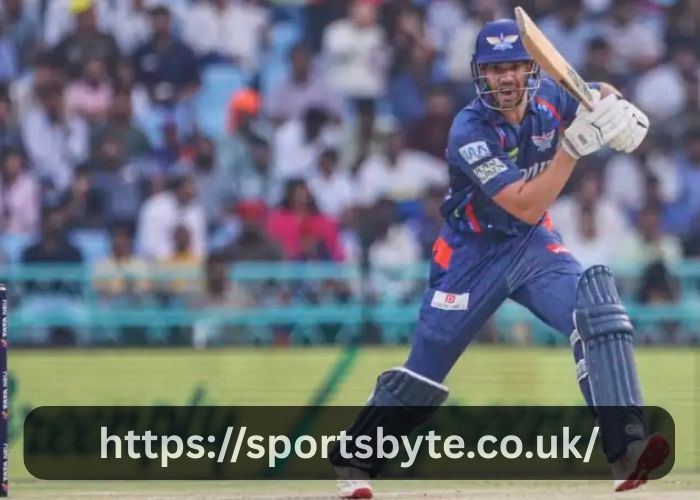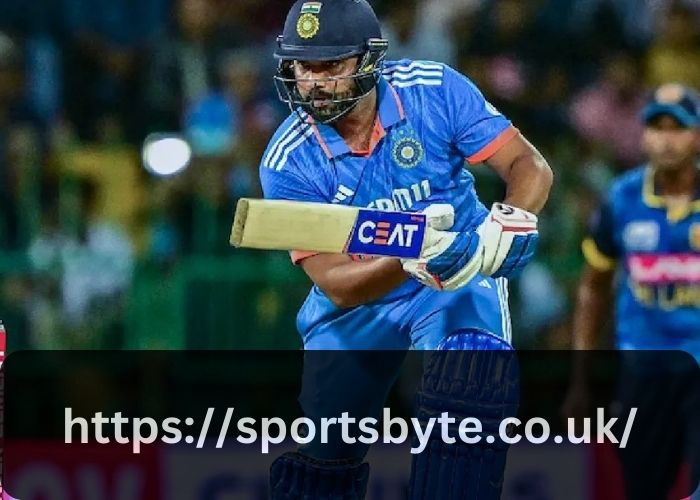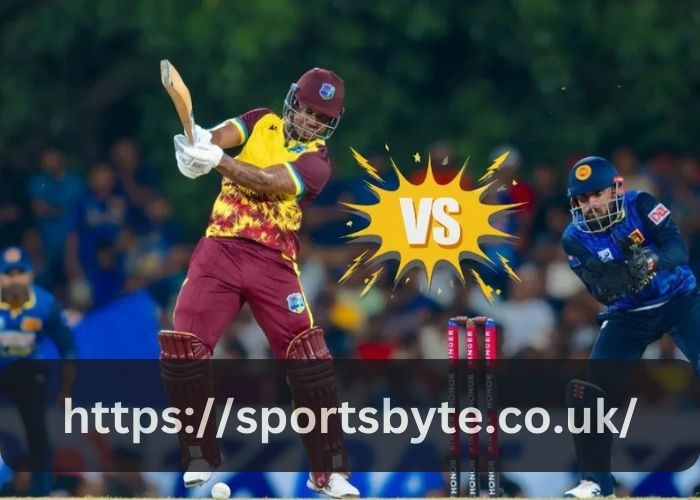
Cricket is a global sport with a unique structure that sets it apart from most other games. Unlike football or basketball, cricket is played in multiple official formats, each with its own pace, strategy, and audience appeal. For newcomers, this can be confusing: the same sport can last five days or just a few hours. This article explains the three main cricket formats—Test cricket, One Day Internationals (ODI), and Twenty20 (T20)—in a clear and beginner-friendly way.
Understanding these formats also helps fans follow international tournaments, domestic leagues, and even cricket betting markets available on platforms like Lemoncasino, where different formats often come with very different odds and dynamics.
Why Cricket Has Different Formats
Cricket evolved over centuries, and its formats developed to suit changing audiences, broadcasting needs, and playing conditions. Traditionalists value endurance and technique, while modern fans often prefer faster, high-scoring games.
Each format answers a different question:
- Test cricket tests skill, patience, and consistency
- ODI cricket balances strategy and scoring
- T20 cricket prioritizes speed, power, and entertainment
Despite the differences, the core rules—batting, bowling, fielding, and scoring runs—remain the same.
Test Cricket: The Traditional Format
Test cricket is the oldest and longest format of the game and is considered the ultimate test of a player’s ability.
Key characteristics of Test cricket:
- Matches last up to five days
- Each team bats twice
- No limit on overs
- Players wear traditional white clothing
- Played with a red ball
In Test cricket, teams must manage fatigue, changing pitch conditions, and long-term tactics. A match can end in a win, loss, draw, or tie, making strategy especially complex.
| Test Cricket Overview | Details |
| Match duration | Up to 5 days |
| Innings per team | 2 |
| Overs limit | None |
| Result types | Win, loss, draw, tie |
Test cricket is often described as the purest form of the sport, rewarding discipline, technique, and mental strength.
One Day Internationals (ODI): Balance and Structure
ODI cricket was introduced to make the game more accessible to spectators and broadcasters. Each match is completed in a single day, with a defined structure.
Main features of ODI cricket:
- 50 overs per team
- Each team bats once
- Colored kits and white ball
- Fielding restrictions to encourage scoring
Because of the limited overs, teams must balance aggression with preservation of wickets. ODIs introduced many modern tactical elements, such as powerplays and run-rate calculations.
| ODI Format Snapshot | Details |
| Match duration | 7–8 hours |
| Overs per team | 50 |
| Innings per team | 1 |
| Playing style | Balanced strategy |
ODIs are popular in international tournaments and are often seen as the bridge between tradition and modern cricket.
T20 Cricket: Fast, Explosive, and Modern
T20 is the shortest and fastest official cricket format and has played a major role in expanding cricket’s global audience.
What defines T20 cricket:
- 20 overs per team
- Matches last around 3 hours
- Highly aggressive batting
- Frequent boundaries and wickets
- Strong focus on entertainment
T20 cricket emphasizes power-hitting, athletic fielding, and innovative bowling. Because every ball matters, momentum can shift dramatically within minutes.
Why T20 is so popular:
- Easy to follow for new fans
- Ideal for television and digital platforms
- Produces dramatic finishes
- Encourages new playing styles
This format dominates domestic leagues and has significantly influenced how players train and strategize across all formats.
Comparing the Three Cricket Formats
Although the rules are similar, the formats differ greatly in tempo and priorities.
- Test cricket rewards patience and long-term planning
- ODI cricket requires adaptability and balance
- T20 cricket demands speed, creativity, and risk-taking
Players often specialize in one format, though elite cricketers may excel in all three.
Strategy, Viewing, and Understanding the Game
The format determines batting orders, bowling rotations, and field placements. It also shapes how fans experience the match—from gradual tension in Tests to constant action in T20s.
For official rules, format definitions, and international competition structures, the International Cricket Council (ICC) remains the most authoritative global source on the sport.
Final Thoughts
Cricket’s multiple formats are not a complication—they are one of the sport’s greatest strengths. Each format highlights different skills and offers a distinct experience, ensuring there is something for every type of fan.
Whether you enjoy the tradition of Test cricket, the structure of ODIs, or the energy of T20s, understanding these formats makes following the game more engaging, informed, and enjoyable.