Placing an online sports bet takes seconds. Evaluating whether that bet makes sense takes discipline. Most betting mistakes don’t come from misunderstanding odds or lacking sports knowledge — they come from skipping small checks that quietly shape outcomes over time. This checklist is about slowing the process just enough to remove avoidable errors, not overthinking every decision.
Start by defining the bet in practical terms
Before looking at odds or form, clarify what the bet requires to win. A market name alone is not enough.
Ask yourself what must happen, what can happen without affecting the bet, and what immediately kills it. For example, a “player to score” bet depends on minutes played, role in the system, and set-piece involvement — not just finishing ability. A “team to win” bet may be far less sensitive to early goals than a “team to win to nil” market.
If you can’t explain the bet in one sentence without using odds, the structure probably isn’t clear enough yet.
Check whether the odds reflect reality or public sentiment
Odds often move because money flows, not because new information appears. Popular teams, star players, and televised matches regularly attract casual money that compresses prices.
This is common in competitions like the Premier League, where narrative momentum can outweigh tactical realities. A club on a winning streak may be priced shorter than their underlying performance justifies, especially if recent results came against weak opposition.
Compare opening odds to current prices. A sharp drop without meaningful news often signals public enthusiasm rather than increased probability.

Separate useful statistics from decorative ones
Not all numbers help decision-making. Raw totals can mislead without context.
Prioritize stats that describe how outcomes are produced, not just how often they occur. For teams, this includes shot quality, territory control, defensive actions per phase, and pace of play. For players, focus on involvement metrics such as touches in key zones, shot volume, or chances created rather than goals alone.
For example, two forwards may both have five goals, but one relies on penalties while the other averages multiple shots per match from open play. The second profile is usually more repeatable.
Account for changes since the last matchup
Sports betting punishes assumptions based on outdated comparisons. Line-ups, tactics, and incentives change faster than public perception.
A previous head-to-head result may be irrelevant if a team has changed formation, lost a defensive anchor, or altered pressing intensity. Schedule congestion, travel demands, and rest days also compound fatigue in ways that don’t show up in basic previews.
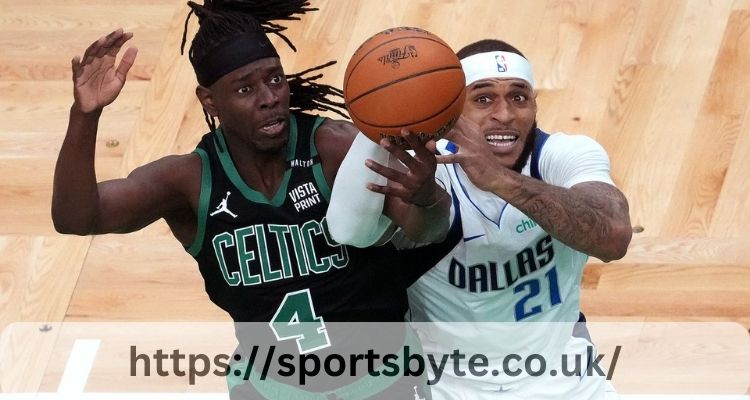
In leagues like the NBA, back-to-back games and cross-country travel materially affect performance, especially for older rosters or teams with short rotations.
Identify whether you’re backing skill, momentum, or narrative
Every bet leans on one of these drivers, whether acknowledged or not.
Skill-based bets rely on stable factors such as tactical matchups, efficiency metrics, or role clarity. Momentum-based bets depend on confidence and rhythm, which fade quickly without reinforcement. Narrative bets are driven by storylines — revenge games, must-win scenarios, milestone chases — and tend to be overpriced.
Knowing which driver applies helps manage expectations. Skill persists. Momentum fluctuates. Narrative inflates prices.
Match the bet to your bankroll conditions today
A good bet at the wrong stake is still a bad decision.
Consider uncertainty as well as confidence. Markets with high variance — correct scores, first scorer bets, multi-leg combinations — deserve smaller stakes than low-volatility positions like spreads or totals. Adjusting stake size based on clarity of edge matters more over time than picking winners.
Avoid increasing stakes after losses to “balance” results. This is one of the fastest ways disciplined bettors lose control.
Read the settlement rules before committing
Two bets with identical odds can settle differently.
Always check how markets treat extra time, penalties, abandoned matches, or player non-starts. For player bets, clarify whether substitutes count, whether assists require deflections, and how own goals are handled.
For example, some goal scorer markets void if the player doesn’t start; others lose the moment the match kicks off. The difference only matters when it costs you money — which is usually when it’s noticed.
Consider alternative angles before placing the bet
If your opinion is sound, there’s often more than one way to express it.
Instead of backing a heavy favorite outright, a handicap or team total may offer better balance. If you expect a slow start, first-half markets may align more closely with your reasoning than full-game outcomes.
Avoid defaulting to accumulators simply because individual odds feel small. Combining bets increases variance faster than it increases value.
Evaluate downside scenarios, not just ideal outcomes
Strong bets survive stress tests.
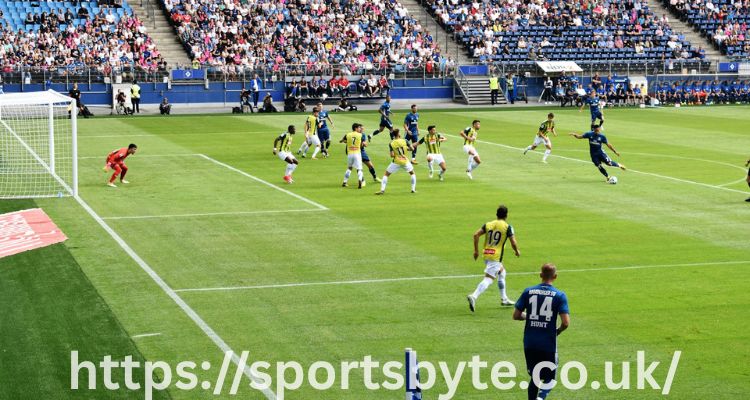
Ask what breaks the logic: an early red card, an injury to a key defender, an unexpected tactical shift. Some sports absorb disruption better than others. Football matches can flip on a single moment; tennis and basketball allow more time for superiority to reassert itself.
If one unlikely event destroys the bet entirely, factor that fragility into your decision.
Special considerations when doing online sports betting
Online betting adds structural factors beyond the sporting event itself.
Market availability varies by platform, especially for niche leagues or player props. Odds can move quickly, and delays between selection and confirmation may result in price changes. Live betting introduces additional risk through data lag and emotional decision-making.
Withdrawal speed, verification requirements, and bet settlement times also affect the overall experience. Bettors who prioritize liquidity often gravitate toward fast payout bookmakers, not for higher odds but for smoother bankroll management after wins.
Final self-check before confirming the bet
Before clicking confirm, pause briefly.
Can you explain why this bet makes sense without referencing the odds? Do you understand exactly how it wins and loses? Would you place the same bet again at the same price tomorrow?
If the answers are clear, proceed. If not, passing is often the most profitable decision available.
If you want, I can adapt this for a specific sport, rewrite it for beginner bettors, or expand any section into a deeper standalone guide.