Just fifteen years ago, contact with the team was limited to games and news. Now, social media, club mobile apps, streaming, and online communities fill the gaps between games and turn discussions into a continuous format. Fan behavior is changing along with this: fans curate their own feeds, follow specific players, react to insider updates, participate in polls, and influence the agenda. Interactive digital formats create a sense of presence outside the stadium, making fandom constant, personalized, and more engaged.
From Stadium Loyalty to 24/7 Digital Engagement
The traditional model of fandom was built around rare but vivid touchpoints: a TV broadcast, a match at the stadium, and a game recap in the newspaper the next day. Information came slowly, and emotions surged from match to match. Fans returned to their team on a schedule and, outside of these events, remained on the sidelines of the club’s daily life.
With the spread of smartphones and constant internet access, this distance has disappeared. Teams and leagues maintain a continuous dialogue with their audience: they post clips from training sessions, share behind-the-scenes moments, show players’ reactions immediately after the final whistle, and launch live streams and interactive sports entertainment.
Now fans follow the news in between tasks, discuss transfers in chat rooms, react to club posts, and track player form and tactical changes even before the team takes the field. Interest is no longer concentrated around a single event – it is spread out over time and sustained by a multitude of digital touchpoints.
How Social Media Changed the Fan Experience
Social media has reduced the distance between clubs, athletes, and fans to a matter of seconds. Reactions to a match appear immediately after a significant moment: fans post comments, share clips, and discuss referees’ decisions and players’ actions in real time. A stream of memes, short videos, and analyses instantly forms around every event.
Behind-the-scenes footage from locker rooms, training clips, and athletes’ personal posts create a sense of constant presence alongside the team. Fans see not only the result but also the process: the players’ emotions, the team’s internal atmosphere, and reactions to wins and losses. This strengthens the sense of closeness and makes the experience of sports more personal.
Discussions about tactics, lineups, and transfers unfold in the comments sections and within specialized online fan communities, where anyone can voice their opinion and influence the overall tone of the conversation. Information no longer flows in a single direction – it is shaped collectively through thousands of responses and interpretations.
In this environment, the fan ceases to be a passive observer. They become part of the collective flow: reacting, interpreting, sharing content, and participating in the creation of digital sports fandom.
The Rise of Interactive Sports Entertainment
Modern sports fans are increasingly engaging with additional formats where they can influence what’s happening or at least simulate the outcome of events. Fantasy tournaments allow fans to assemble their own teams and track player performance through statistics; prediction games add an element of forecasting and competition among participants; and second-screen scenarios supplement the broadcast with parallel data, chats, and interactive options.
The screen is no longer the sole focus of attention. During matches, fans simultaneously watch the game, discuss key moments, participate in polls, and check real-time analytics.
At the same time, the range of digital sports consumption habits is expanding. Today, interest in competitive culture spans various types of platforms – from fantasy sports to online real money poker – reflecting the audience’s desire for interactive formats beyond passive viewing. The focus is not only on the match result, but also on the ability to predict and test one’s own decisions in different contexts.
Streaming, Mobile Access, and the New Viewing Routine
Streaming sports content platforms and mobile sports viewing have reshaped the way people watch sports. Matches are no longer tied to a TV or a fixed time: broadcasts are watched on the go, in between tasks, from any device. If it’s not possible to tune in to the full broadcast, highlights featuring key moments come into play – they appear almost immediately after the event and allow viewers to quickly catch up on the game.
Push notifications alert users to goals, substitutions, and key moments, while algorithms generate highlights tailored to interest in specific teams and players. Fans decide for themselves whether to dive into the full match or stick to condensed clips and statistics.
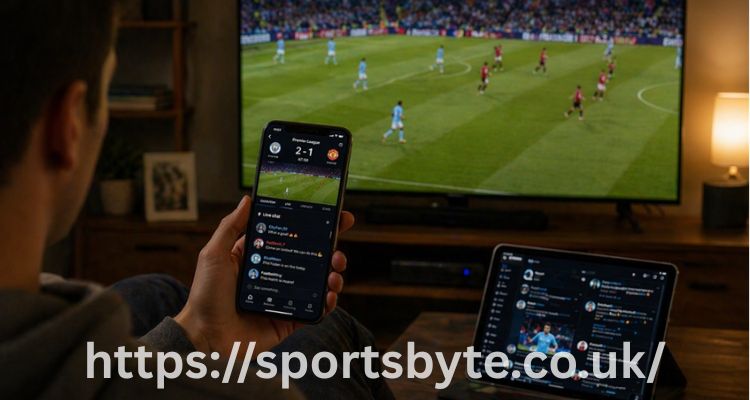
The second-screen sports experience is also important. The broadcast plays on one screen, while statistics, chat, or social media are open on another. Attention is divided among several streams, each of which complements the whole. As a result, fans themselves determine the format of their interaction with sports – choosing the time, depth, and method of viewing, tailoring it to their own lifestyle.
Online Communities and the Power of Shared Identity
Digital fandom is sustained not only by content but also by the communication environment. Platforms such as Reddit communities, fan forums, Discord servers, and comments under live streams bring fans together into cohesive groups where a shared language, set of jokes, and attitudes toward players and events are formed. Here, they discuss lineups and tactics, share insider information, debate controversial plays, and simultaneously create a collective interpretation of what is happening.
Even outside of matches, participants return to discussions, analyze news, follow players’ careers, and maintain interest in the team during the offseason. Communication isn’t limited to reacting to the game; it becomes part of the everyday digital experience.
The sense of belonging is strengthened by repeated interactions. Regular participants in sports fan engagement recognize each other by their communication style, form internal rules and hierarchies, and react to events in sync. As a result, fandom is reinforced not only through watching sports but also through communication within the community.
Data, Personalization, and Smarter Fan Engagement
Sports media, clubs, and digital platforms actively rely on analytics to tailor content more precisely to the audience’s interests. Feeds are curated based on preferences for teams, leagues, and individual players; notifications are sent only for significant events; and compilations of clips and highlights reflect viewing history.
Real-time sports engagement statistics are increasingly appearing in broadcasts – ranging from basic indicators to advanced metrics that help provide a deeper understanding of the game. Additionally, personalized sports content and interaction options based on digital fan behavior are being implemented. This way, fans receive not a generic stream of information, but a personalized experience where every element aligns with their specific interests in sports.
The Challenges of Digital Fandom
The constant stream of updates creates a sense of overload: news, clips, comments, and statistics follow one another without pause, and attention becomes scattered. Discussions in open communities often take a sharp turn, where arguments give way to emotions, and dialogue turns into conflict. Algorithms amplify this effect by selecting content that elicits a quick reaction, thereby creating closed information loops.
Attention fragmentation creates additional pressure. Fans switch between the broadcast, chats, notifications, social media, and sports, which makes the match itself feel less cohesive. Short videos and quick highlights are replacing longer formats, and the depth of analysis is gradually decreasing – complex tactical details are giving way to standout moments that spread more easily in the digital environment.
As a result, digital fandom requires greater control on the part of the user. Without this, the flow of information begins to dictate the rhythm of perception and influences how interest in sports is formed.
What the Future of Sports Fandom Looks Like
The further evolution of sports media and fandom is linked to increased interactivity and precise personalization. Content will be shaped based on real-time behavior and interests, and AI models will begin to curate not only videos and statistics but also interaction scenarios – from personalized broadcasts to dynamic analytical overlays during the game. At the same time, immersive formats are gaining traction: augmented reality, alternative camera angles, and the ability to dive deeper into the game and follow the action from different perspectives.
In the future of sports fandom, the role of the fan will continue to shift toward active participation. Fans will influence discussions, shape the agenda, and participate in the digital ecosystems of clubs and leagues, where the line between spectator and participant is becoming increasingly blurred.
The digital environment has not diminished interest in sports. It has made fandom more multifaceted, constant, and tech-driven. Engagement is sustained not only by the games themselves but by the entire spectrum of interactions surrounding them.