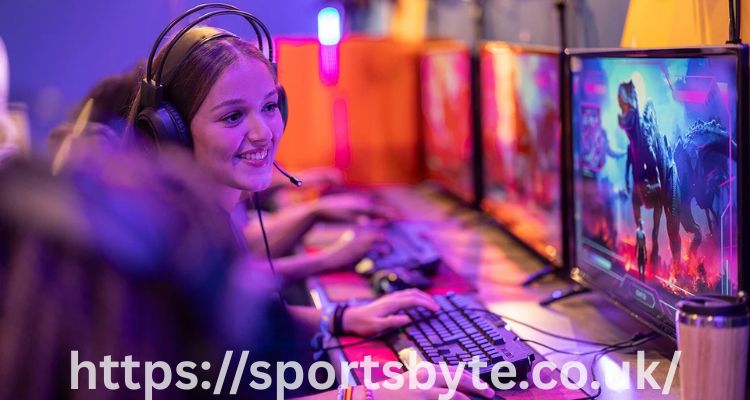
Professional eSports tournaments may appear seamless to viewers, but behind every high-level competition lies a carefully structured organizational process. From rule design and team qualification to broadcasting and prize distribution, eSports tournaments combine elements of traditional sports management with advanced digital infrastructure. Understanding how these events are organized helps explain why competitive gaming has evolved into a global, professionalized industry.
For fans who follow competitive gaming closely—or explore eSports-related markets on platforms like Bison Casino —knowing how tournaments are built adds important context to match formats, schedules, and competitive outcomes.
Initial Planning and Tournament Concept
Every professional eSports tournament begins with a planning phase that can take months, or even years, depending on the scale of the event. Organizers first define the core concept, which includes:
- The game title and publisher approval
- Target competitive level (regional, international, elite)
- Online, offline, or hybrid format
- Tournament duration and calendar placement
Game publishers often play a central role, as they control competitive licenses and may directly support or operate major tournaments. At this stage, organizers also secure sponsors, determine the prize pool, and outline broadcast plans.
Tournament Formats and Competitive Structure
Choosing the right competitive format is essential for fairness, entertainment, and scheduling. Different formats suit different tournament goals and audience expectations.
Common formats used in professional eSports:
- Single elimination – Fast-paced but unforgiving
- Double elimination – More balanced, with a lower bracket
- Round-robin – Emphasizes consistency and ranking accuracy
- Group stage + playoffs – Standard for large international events
| Format | Main Advantage | Potential Drawback |
| Single elimination | Short, intense events | Strong teams exit early |
| Double elimination | Fairer results | Longer schedules |
| Round-robin | Accurate rankings | Time-consuming |
| Groups + playoffs | Balanced competition | Complex logistics |
The format influences match pacing, broadcast length, and overall viewer engagement.
Team Qualification and Participation
Professional tournaments use multiple systems to determine which teams can participate. These systems balance competitive integrity with commercial and audience considerations.
Typical qualification methods include:
- Open online qualifiers
- Regional leagues and circuits
- Direct invitations to top-ranked teams
- Franchised league slots
Open qualifiers help discover new talent, while invitation-based systems ensure that established teams and star players are present, increasing viewer interest.
Rules, Referees, and Competitive Integrity
Each tournament operates under a detailed rulebook that defines gameplay settings, player conduct, technical requirements, and penalties. Competitive integrity is a core priority.
Key regulatory areas include:
- Approved game versions and patches
- Hardware and software standards
- Anti-cheat systems and monitoring
- Match pauses, remakes, and disputes
Professional tournaments employ referees, administrators, and integrity officers who oversee matches in real time. Online events rely heavily on anti-cheat software and server monitoring to ensure fair play.
Production, Broadcasting, and Media Coverage
Modern eSports tournaments are also large-scale media productions. High-quality broadcasting is critical for audience growth and sponsor value.
Production teams manage:
- Live commentators and analysts
- In-game observers and replay systems
- On-screen graphics and real-time statistics
- Multilingual streams for global audiences
Most tournaments are streamed on major platforms such as Twitch and YouTube, with top-tier events also appearing on traditional television. Broadcast schedules are tightly coordinated with match operations to maintain a smooth viewing experience.
Prize Pools, Sponsorships, and Payments
Prize pools vary widely depending on the tournament’s prestige and financial backing. Funding typically comes from a mix of:
- Sponsorships and advertising
- Publisher contributions
- Media and streaming rights
- Merchandise and ticket sales
Transparent payout structures are published in advance, outlining how winnings are distributed among teams and players. Professional contracts, tax compliance, and international payments are now standard practices in top-tier eSports.
Event Operations and Logistics
Offline tournaments require logistics comparable to traditional sports events. Organizers handle:
- Venue setup and technical infrastructure
- Player travel and accommodation
- Equipment transport and testing
- On-site IT and broadcast support
Even fully online tournaments depend on stable servers, latency control, and contingency plans for technical disruptions.
Industry Standards and Global Oversight
Unlike traditional sports, eSports does not have a single global governing body. Instead, standards are shaped by publishers, tournament operators, and industry media. For authoritative reporting, rankings, and regulatory analysis, Esports Insider is widely regarded as a high-credibility source with strong industry authority.
Final Thoughts
Professional eSports tournaments are the result of coordinated planning across competitive, technical, and media domains. From qualification systems and rule enforcement to broadcasting and logistics, every element is designed to ensure fairness, entertainment, and commercial sustainability.
As the eSports industry continues to mature, tournament organization is becoming increasingly sophisticated, blending the structure of traditional sports with the flexibility of digital competition. Understanding this process gives fans a deeper appreciation of what happens beyond the screen—and why professional eSports has secured its place on the global sporting stage.