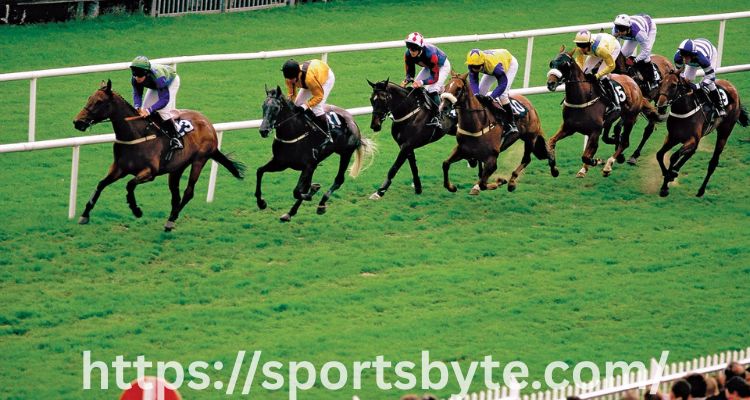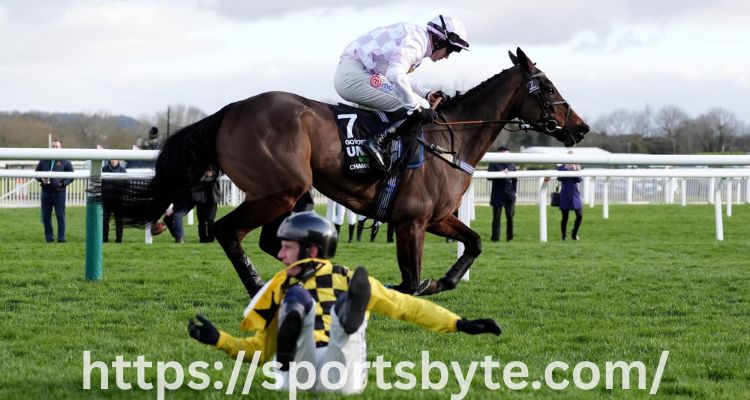
The Cheltenham Festival remains the central point of the National Hunt racing calendar, and takes place in March every year. The Cheltenham Festival sets the tone for the spring and brings together horses, trainers, jockeys and supporters from across Britain and Ireland. The Cheltenham Festival is a brilliant introduction to the new racing year, held before other notable events in the United Kingdom, such as The Grand National and Ascot. Its place on the racing calendar has been earned over the years through strong traditions that remain, clear organisation, and exceptional racing integrity. As a result, the wider season often builds towards Cheltenham and then takes shape in its wake.
Roots Built on Tradition
Over the years, the Cheltenham Festival has maintained traditions at its core, reinforcing the event’s importance. The Festival grew alongside jump racing itself, becoming a showcase for the sport’s best elements. Over time, it developed a rhythm that fit naturally into the year and had transformed into the home of jump racing in England. Trainers plan campaigns months in advance with Cheltenham in mind, while owners see success there as a lasting achievement. This sense of continuity has helped the Festival remain relevant through changes in racing and in wider society.
The course itself also plays a part. Cheltenham is known for its testing yet fair track, which rewards balance, stamina and careful preparation. Horses that perform well there are respected across the season, adding weight to Festival form when it appears later in the year.
A Structure That Sets Standards
The Festival’s four-day structure is one of its greatest strengths. Each day has a clear identity, allowing different races and divisions to shine. Championship events sit alongside competitive handicaps, offering chances for established stars and rising talents alike. This balance keeps the meeting fresh while maintaining high standards.
Races such as the Champion Hurdle, Champion Chase and Gold Cup are not simply highlights of the week. They serve as reference points for the entire season. Results from these races guide breeding choices, training approaches and future entries. The clarity of this structure helps the Festival act as a compass for the sport.
Planning and Preparation Across the Year
Because of Cheltenham’s status, preparation for the Festival shapes much of the racing calendar. Early-season meetings in the autumn and winter are often used to build fitness and confidence. Performances at these events are measured against the demands of Cheltenham rather than in isolation.
This approach creates a sense of purpose across the year. Races at places such as Newbury, Kempton, and Leopardstown serve as stepping stones. Over the past few months, fans have kept up to date with these racing events, following the storylines that accompany them, preparing for the four-day race festival.
Economic and Cultural Influence
Cheltenham’s reach goes beyond the track. The Festival brings significant economic activity to the region, supporting local businesses and employment. Hotels, shops and services all benefit from the influx of visitors. This link between racing and community strengthens the Festival’s position and ensures continued local support.
Culturally, the meeting has become a shared experience. The atmosphere is shaped by respect for the horses, appreciation of skill and a sense of occasion. Traditions such as the opening roar are widely recognised and add to the Festival’s identity without overshadowing the racing itself.
Media Coverage and Public Attention
The Festival’s place in the calendar is reinforced by extensive media coverage. Television, radio, and written reports focus on Cheltenham in the lead-up, during the week, and after the event. This sustained attention helps introduce new followers to the sport while providing regular fans with detailed insights.
Clear storytelling plays a role here. The Festival provides natural narratives through rivalries, returning champions and emerging talent. These stories are easy to follow and help maintain interest across the season.
Respect for the Horse
A key reason for Cheltenham’s continued importance is the care taken to present racing at its best. The Festival highlights the athletic ability, training and partnership involved in jump racing. Horses are prepared with patience and respect, and their performances are celebrated for skill and courage.
This positive presentation supports the sport’s wider reputation. By showing horses at their peak, Cheltenham sets an example that influences standards at other meetings.
Looking Ahead
Cheltenham’s hold on the racing calendar remains strong because it continues to adapt while staying true to its core values. Small changes to scheduling, facilities, and coverage including the widespread Cheltenham free bets topic, help it meet modern expectations without losing its character. The Festival’s leaders understand the importance of balance, tradition and clarity.
As long as Cheltenham maintains its focus on quality racing, clear structure, and respect for all involved, its place at the centre of the season will endure. The meeting does not simply mark a point in the calendar. It shapes the rhythm of National Hunt racing and provides a benchmark that others continue to follow.