A bowler’s goal is to get the ball by the batsman while evading the bat in any legal way he can, putting him in uncomfortable positions. This has been done in many ways, like the slow ball, yorkers, cutters, short balls, chest-high pitches, and swing.
One of the amazing things about swing is the ball appears to be headed one direction and at a certain speed, but then it suddenly defies velocity and starts to “dance” off in some other direction. This is a hard break in the ball’s trajectory to track and make proper contact, forcing the batsman to dance after the ball, since you don’t know exactly how much it’s going to horizontally shift.
The ordinary drift is done by wiping one side of the ball to keep it shiny and then holding the ball in such a way that more of the shiny side is facing forward. The ball, therefore, ends up dancing in the direction that the seam is pointing to. New balls just introduced into a match had traditionally been easier to manipulate to psych out the batsman as well as easier to knock beyond the boundary, but throughout playing with old balls, a magnificent property came to light, which few people were aware of until the 70s and 80s – the ball started dancing on overdrive, and – in reverse. This has made for a dramatic attraction in ticket sales, IPL odds, and television viewership.
New vs Old Balls of Yesteryear
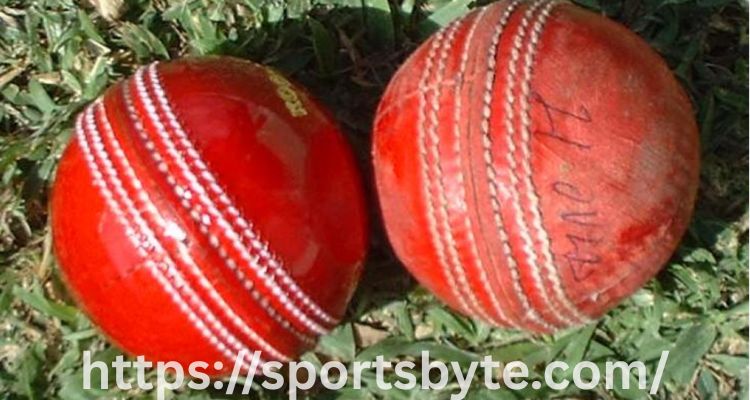
Balls don’t just get swapped out all the time, and the more you play with a particular ball, the more battered, scuffed, and worn down it gets. It starts out a smooth, firm, laquered leather covering with cork in the middle of it, divided by a proud and raised seam. Initially, it’s shiny all over.
The Traditional Bowler’s Best Friend
During the first overs, it used to be that the worst was to come both from the bowler and the batsman, since conventional swing is the greatest when the ball is the freshest. The slips were waiting and edges carried.
An old ball:
- Loses hardness
- Develops a rough side due to its collisions with the pitch and outfield
- Has a flatter seam
- Only retains shine on one side by being carefully polished
The batsmen therefore used to have an easier time with older balls. It would just fly straight and was easy to contact.
The Magic of Aerodynamics
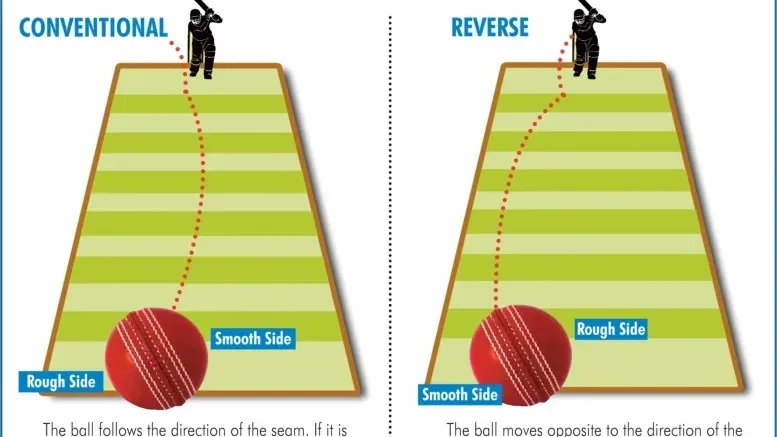
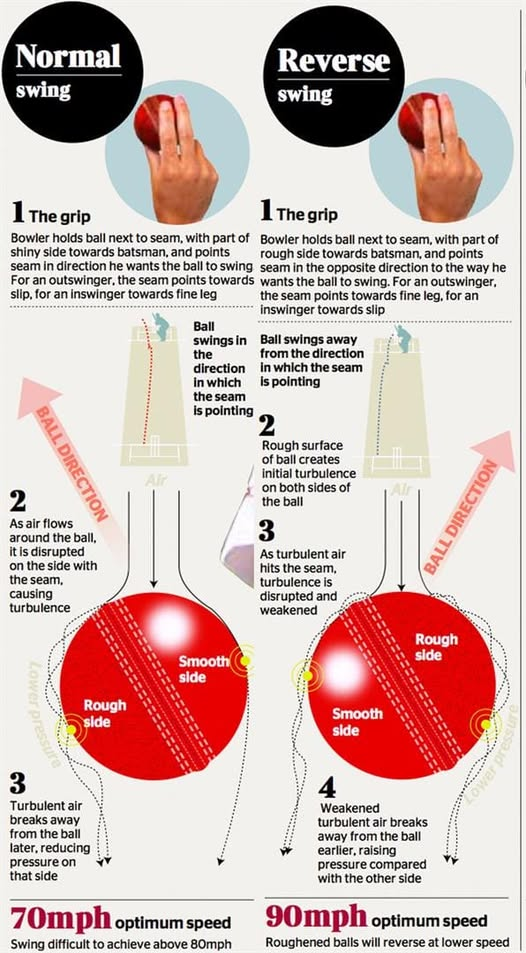
The secret to swing is all about aerodynamics. When you’re dealing with a new ball and you bowl it, air passes along both sides of the ball. Angling the seam of the ball in the direction opposite to the shinier side of the ball before you throw it, which you regularly do for conventional swing, causes the air to pass more quickly along the shiny, unseamed side of the ball.
The other side of the ball, meanwhile, contains the seam and it’s less shiny, which creates an impediment to air traveling along that side. That air gets bounced off the ball; meanwhile, the air passing along the smooth, shiny side ends up pushing the ball in the direction opposite the shiny side.
Conventional swing is most effective when tossed at about 125 km/h, so these bowls are relatively slow to achieve the most swing. Batters thus have time to read the ball as it flies toward them and if they’re an adept batsman, they can usually pick it up early.
Where Old Balls “Shine”
Here, we’re talking about a really worn down ball. These balls have often been used upwards of 30 overs if it’s a Test cricket match. You do your best to keep that ball very shiny on one side, though it won’t have quite as much shine being used. Meanwhile, the other side has a whole bunch of scuffs, marks, and usually a bit of mud or dirt.
In this case, you hold the ball in exactly the same way you’d hold it for conventional swing. You once again bowl the ball with the seam angled to one side; however, now that the ball has worn down, it will do the opposite it would do early in the match – it swings toward the shiny side instead. Also, unlike conventional swing, reverse swing balls perform better at a higher velocity, and the ball itself moves more sharply as well.
Here’s what makes reverse swing so lethal:
- Balls start turning at the last moment
- Quicker velocity
- They dip into the batter at the last moment, instead of moving away from him, as typically happens in conventional swing
You have to keep your wrist strongly positioned with an upright seam presentation though, with your release consistent.
The Pakistani Revolution
At first, reverse swing was misundersstood with a lot of peeople jeering and dismissing it, especially the English. Some people suspected there was some kind of artificial tamporing going on. Yet finally people realized that there was no trick and eventually said if you can’t beat them, join them. The men who wreaked absolute havoc with it and piqued worldwide criquet’s fascination was a Pakistani group that made a huge splash with them producing dramatic late inswing using old ball heaters swinging inside again and again.
The names most credited with changing the game in this way are:
- Imran Khan: most recognized for popularizing it
- The GOAT of swing himself Wasim Akram
- Waqar Younis
These men tossed balls at around 150 km/h at the end of games with the ball seeming to head straight and then continuously suddenly tailing right inside violently at the last minute. Batsmen were jammed and flabbergasted – shut down repeatedly. They’d be bowled through the gate, pinned LBW, or beaten entirely by devastating drift the likes of which they’d never seen.
The Game Today
By the 1990s and 2000s, players in other regions caught on, figuring out how to:
- Maintain the shiny side of a rough ball
- Protect the rough side
- Bowl with upright seam at high pace
- Attack the stumps with full lengths
Bowlers in England, South Africa, Australia, and India started integrating it as a core skills as well. What began as a spectacle grew into an expectation. Captains no longer waited passively for the second new ball but attacked with the existing one instead. So ironically, after the initial beginning of the game when conventional swing was the most daunting, a second phase of ace bowling was born as the overs piled up, when the ball then would start to bedevil players at a whole new level.
The Yorker Renaissance
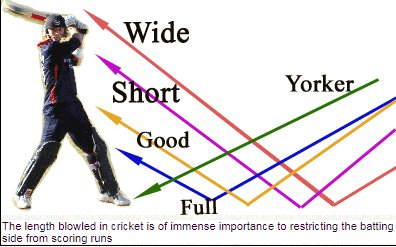
This became the primary weapon for bowlers pitching with reverse swing, especially at death. The yorker is thrown inside toward the batman right at their toes, so batsman who even had their feet set perfectly felt very awkward and had a terrible time trying to get under it or in contact with it – not to mention sending it beyond the boundary. Bowled and LBW became big things again too. Bowlers were also able to bowl straight again, shooting for the middle and leg stump and the base of off stump.
The New Fast Bowler Prototype
There are newborn conditions for bowlers to get the most out of reverse swing, since the faster you throw, the more you can push the ball inward toward the batsman. Fast medium had previously been widespread, but bowlers who could only muster that lost popularity. Bowlers also had to learn to stay conditioned, be comfortable attacking the stumps, and keep bowling at that speed over and over.
Keys to Developing Killer Reverse Swing
Want to bowl a mean reverse seam yourself? Let’s go over some important pointers:
- Present the seam properly to prevent wobble: It can be angled or upright but the main thing is that if it wobbles, gusts of air will mess up the trajectory.
- Maintain a clear rough-to-smooth deficit: the difference between each side creates the drift
- High turbulence: even having some extra mud or dirt on the ball pushes the ball more toward the shiny side.
- Pace compensation: the weaker of an arm you have, the rougher you need the scuffed side of the ball to be to make up for it.
- Use contrast swing: this involves holding the seam straight up, which will keep the battsman guessing even more since with this grip, the ball can move in either direction.