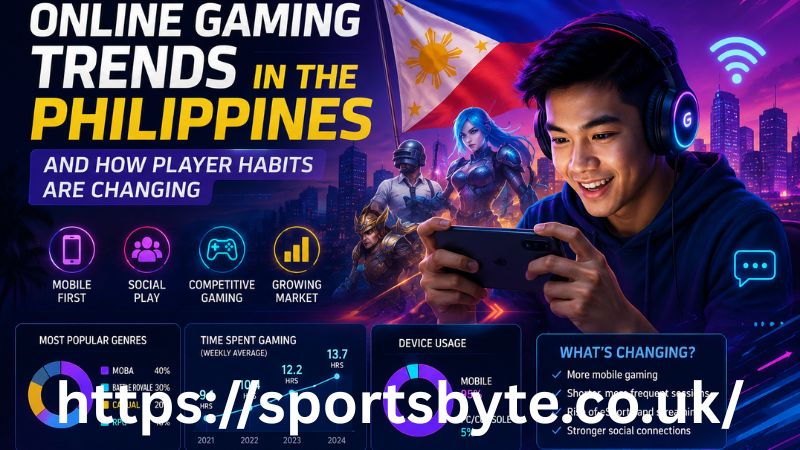
The Philippine online gaming market has changed faster over the last five years than many analysts expected. Mobile adoption crossed 76% nationwide in 2025, digital payments became routine even outside Metro Manila, and local players started favoring platforms with faster interfaces, regional payment methods, and sports-focused content instead of generic international products. That shift explains why discussions around platforms such as Paripesa Philippines appear more frequently across gaming forums, Reddit threads, and betting communities focused on Southeast Asia.
What used to be a desktop-first activity is now heavily mobile-driven. According to DataReportal estimates, Filipinos spend more than 8 hours online daily on average, with mobile devices accounting for the largest share of entertainment traffic. Gaming sits near the top of that ecosystem. Sports betting, esports markets, live casino content, and short-session mobile games are now competing for the same audience attention.
At the same time, users have become more selective. Speed matters. Payment flexibility matters even more. A delay of several minutes during registration or withdrawals is often enough for users to leave a platform entirely. That has pushed operators to optimize localization, security infrastructure, and mobile performance instead of relying only on bonuses and aggressive advertising.
Why the Philippines became one of Southeast Asia’s fastest-growing gaming markets
The Philippines has long been considered a strategic market for digital entertainment, but several economic and technological factors accelerated growth after 2021. Internet penetration increased steadily across urban and secondary regions, while lower smartphone prices made mobile gaming accessible to a much broader demographic.
A major factor is demographic structure. More than 52% of the population is under 30 years old, according to PSA and regional digital economy reports. Younger users adapt quickly to mobile-first entertainment models, especially platforms connected to live sports, esports, and streaming ecosystems.
Another important shift came from digital finance adoption. E-wallets such as GCash and Maya simplified online transactions dramatically. Five years ago, payment friction was one of the biggest conversion problems in gaming platforms operating in Southeast Asia. Today, many deposits can be completed within seconds.
Several trends continue to shape the market:
- Mobile betting sessions are becoming shorter but more frequent.
- Basketball and esports attract stronger engagement than many traditional sports.
- Users increasingly prefer localized interfaces and customer support.
- Faster payouts directly affect retention rates.
- Live betting activity grows during regional tournaments and international football events.
The market is also influenced by social behavior. Filipino users are highly active across Facebook groups, Telegram communities, and gaming discussion boards. Word-of-mouth recommendations often outperform expensive advertising campaigns.
How player expectations changed after the mobile boom
A decade ago, online betting websites could survive with heavy desktop layouts and complicated navigation. That model barely works anymore.
Modern users in the Philippines expect a platform to load quickly even on mid-range Android devices. Research from Google’s APAC mobile reports shows that more than 53% of users leave websites that take longer than 3 seconds to load on mobile connections. Gaming platforms feel this pressure more than almost any other vertical.
This changed how operators design their ecosystems. Lightweight interfaces, simplified onboarding, and localized payment integrations are no longer optional features. They are baseline requirements.
There is also a visible shift toward hybrid entertainment behavior. Many users combine sports streaming, social media discussions, and live betting simultaneously. During major NBA games or esports tournaments, users frequently move between apps every few minutes. Platforms unable to maintain stable live updates lose engagement rapidly.
Another interesting trend is the rise of data-aware users. Players compare odds, check payout timing, and evaluate platform reputation before registration. Casual traffic still exists, naturally, but informed decision-making is much more common than it was five years ago.
What local users usually prioritize
| Factor | Why it matters in the Philippines | Impact on retention |
| Mobile optimization | Most users access platforms through smartphones | High |
| Fast withdrawals | Users expect near-instant transactions | Very high |
| Local payment systems | GCash and Maya simplify onboarding | High |
| Sports coverage | Basketball and esports drive engagement | Medium to high |
| Interface simplicity | Shorter sessions require faster navigation | High |
Interestingly, large promotional campaigns do not always guarantee loyalty anymore. Many users prefer consistency over aggressive bonus structures. A stable mobile experience across multiple weeks tends to outperform short-term marketing pushes.
Sports betting and esports continue dominating user attention
Traditional casino content still attracts strong traffic, but sports betting remains one of the most dynamic segments in the Philippines. Basketball is especially dominant because of the country’s deep connection to the sport. NBA events, local leagues, and international tournaments generate significant spikes in user activity.
Esports, however, may become the market’s biggest long-term growth category.
Games such as Mobile Legends, Dota 2, Valorant, and Counter-Strike attract millions of viewers across Southeast Asia. The overlap between gaming audiences and betting audiences is increasing every year. Analysts from Statista estimated that Southeast Asia’s esports market revenue could surpass several hundred million dollars before the end of the decade.
That growth changes user behavior in important ways.
Esports audiences typically consume content differently from traditional sports fans:
- They interact heavily through live chats and community streams.
- They follow individual players and teams more closely.
- They engage across multiple platforms simultaneously.
- They react faster to live odds movements.
Because of this, betting platforms targeting Filipino audiences increasingly prioritize live updates, rapid interface refresh rates, and optimized mobile notifications.
The popularity of in-play betting also continues rising. Instead of placing one pre-match wager, users now often place multiple smaller bets throughout a single event. That behavioral change increases demand for stable real-time systems.
Why localization matters more than global branding
International recognition still helps online gaming operators, but local adaptation now plays a larger role in long-term growth.
Platforms entering the Philippine market without local payment options or regional customer support often struggle with retention. Users notice these details quickly. Even language tone matters. Overly corporate messaging tends to perform worse than more conversational communication styles adapted for local audiences.
Localization is not only about translation either.
It includes:
- payment familiarity
- mobile compatibility
- event relevance
- local sports interest
- support responsiveness
- preferred onboarding flow
Operators increasingly analyze regional traffic patterns to optimize engagement windows. Evening mobile usage in the Philippines tends to peak between 7 PM and midnight, especially during live sports broadcasts and esports tournaments.
There is also a growing preference for flexible account management. Users want simpler verification flows, accessible support channels, and fewer interruptions during gameplay or betting sessions.
Interestingly, trust indicators now influence conversions more strongly than large visual designs. Clear payment information, visible security measures, and transparent rules help reduce bounce rates significantly.
The role of mobile payments in platform growth
Few factors changed the Philippine gaming ecosystem more dramatically than e-wallet adoption.
GCash alone surpassed tens of millions of registered users, while Maya continued expanding across entertainment and online service sectors. This removed one of the biggest friction points that limited digital gaming growth in earlier years.
Fast deposits changed user expectations almost immediately.
Now users expect:
- quick registration
- instant balance updates
- low transaction friction
- mobile-first cashier systems
- simplified withdrawals
Platforms that still rely heavily on outdated banking flows often lose users before the first transaction is completed.
Payment speed also influences trust. Delayed payouts frequently become public discussion topics across Reddit and local community groups. A single negative thread can spread surprisingly fast within regional betting communities.
Security awareness has increased too. Users increasingly prefer platforms with transparent encryption policies, account verification measures, and secure payment processing systems.
This trend aligns with broader Southeast Asian fintech growth. According to regional market reports, digital wallet usage across Southeast Asia continues growing by more than 15% annually in several major markets.
What the future of online gaming in the Philippines may look like
The Philippine market is unlikely to slow down soon, although competition will become more intense.
Several developments are expected to shape the next stage of growth:
Smarter personalization
Platforms increasingly use behavioral analytics to personalize recommendations, betting markets, and promotional timing. Users already expect customized experiences across entertainment apps, and gaming platforms are moving in the same direction.
Faster mobile infrastructure
As 5G coverage expands, live streaming quality and real-time betting systems will improve further. That creates stronger demand for low-latency interfaces.
Expansion of esports ecosystems
Esports will probably continue attracting younger audiences faster than many traditional sports categories. Mobile-first esports titles are especially influential in Southeast Asia.
Increased focus on user retention
Acquiring traffic has become expensive. Because of that, operators increasingly prioritize long-term retention through better UX, faster support, and platform stability rather than relying purely on acquisition campaigns.
The market is also becoming more educated. Users compare platforms more carefully, discuss experiences publicly, and expect higher technical standards than they did only a few years ago.
Conclusion
The Philippine online gaming sector has evolved into one of Southeast Asia’s most competitive digital entertainment markets. Mobile adoption, e-wallet growth, esports expansion, and changing user expectations continue reshaping how platforms operate and compete.
Users no longer choose platforms based solely on promotional offers. They evaluate payment speed, mobile performance, sports coverage, and overall reliability. That shift pushes operators toward better localization, stronger technical infrastructure, and more transparent user experiences.
As the market matures, platforms capable of adapting to regional behavior patterns and mobile-first engagement trends will likely maintain stronger long-term growth across the Philippines.
FAQ
Why is the Philippine online gaming market growing so quickly?
The market benefits from high smartphone adoption, widespread internet access, growing esports popularity, and rapid expansion of digital payment systems like GCash and Maya.
What sports are most popular for online betting in the Philippines?
Basketball remains the leading category, especially NBA and local leagues. Esports and international football also generate significant betting activity.
Why do mobile payments matter for gaming platforms?
Fast payment systems reduce user friction, improve retention, and create smoother onboarding experiences. Many users expect deposits and withdrawals to process within minutes.